Skip to content
  • Projects
  • Publications
  • News
  • About us
    • Our team
    • PhD students
    • Eriksholm’s timeline
    • History of hearing aids
    • Partnerships
    • Contact us
  • Projects
  • Publications
  • News
  • About us
    • Our team
    • PhD students
    • Eriksholm’s timeline
    • History of hearing aids
    • Partnerships
    • Contact us
  • Projects
  • Publications
  • News
  • About us
    • Our team
    • PhD students
    • Eriksholm’s timeline
    • History of hearing aids
    • Partnerships
    • Contact us
  • Projects
  • Publications
  • News
  • About us
    • Our team
    • PhD students
    • Eriksholm’s timeline
    • History of hearing aids
    • Partnerships
    • Contact us
Back
Johannes Zaar

Johannes Zaar

Senior Scientist

“I hope there will be a scientific breakthrough to significantly help us counteract climate change.”

What is your primary work area within Eriksholm Research Centre?

I work primarily with speech understanding, hearing impairment, and compensation strategies, trying to understand the factors that lead to speech understanding deficits and how hearing instruments can compensate for them. To that end, I work with, and on, methods such as psychoacoustical and diagnostic testing, computational modeling of auditory processing, as well as methods to assess eye and brain activity in response to acoustic and audio-visual stimulation, for instance pupillometry, eye-gaze tracking, and EEG.

What is your primary work area within Eriksholm Research Centre?

I work primarily with speech understanding, hearing impairment, and compensation strategies, trying to understand the factors that lead to speech understanding deficits and how hearing instruments can compensate for them. To that end, I work with, and on, methods such as psychoacoustical and diagnostic testing, computational modeling of auditory processing, as well as methods to assess eye and brain activity in response to acoustic and audio-visual stimulation, for instance pupillometry, eye-gaze tracking, and EEG.

What originally triggered your interest in the hearing care field?

I have always been fascinated by the aesthetics of sound in general, and of music and the artistic use of sound in particular. This led me to focus on the sense of hearing and explore our remarkable abilities when it comes to perceiving and utilizing sound. The fact that these abilities can be severely limited because of various deficits that are typically summarized under the term hearing impairment, combined with the fact that the effects are still not well understood, triggered my curiosity, especially with the perspective to potentially improve existing solutions.

What originally triggered your interest in the hearing care field?

I have always been fascinated by the aesthetics of sound in general, and of music and the artistic use of sound in particular. This led me to focus on the sense of hearing and explore our remarkable abilities when it comes to perceiving and utilizing sound. The fact that these abilities can be severely limited because of various deficits that are typically summarized under the term hearing impairment, combined with the fact that the effects are still not well understood, triggered my curiosity, especially with the perspective to potentially improve existing solutions.

What brought you to Eriksholm?

I worked at the Technical University of Denmark as a PhD candidate and later as a postdoctoral researcher, where there was quite some interaction with Eriksholm. So, I knew that Eriksholm is a bit of a unicorn in terms of conducting high-quality research whilst being directly connected to and relevant for a company that develops hearing instruments. I liked this combination very much and was lucky enough to get a position.

What brought you to Eriksholm?

I worked at the Technical University of Denmark as a PhD candidate and later as a postdoctoral researcher, where there was quite some interaction with Eriksholm. So, I knew that Eriksholm is a bit of a unicorn in terms of conducting high-quality research whilst being directly connected to and relevant for a company that develops hearing instruments. I liked this combination very much and was lucky enough to get a position.

What motivates you in your job?

I like to systematically approach research questions that have not been answered yet and I also very much like the engineering side of that process, especially when it comes to model simulations of the hearing system. I find it very rewarding to channel my interests and abilities to provide effective solutions for people with hearing problems.

What motivates you in your job?

I like to systematically approach research questions that have not been answered yet and I also very much like the engineering side of that process, especially when it comes to model simulations of the hearing system. I find it very rewarding to channel my interests and abilities to provide effective solutions for people with hearing problems.

What do you hope to achieve in the long run?

I focus quite a bit on hearing problems that cannot be solved by means of sound amplification, so-called supra-threshold deficits. This usually occurs as one aspect of a person’s hearing impairment, but not necessarily. As an extreme example, there are people who do not even have a hearing impairment according to the current clinical definition, yet they experience severe hearing difficulties, for example with speech understanding in certain complex scenarios. I work towards achieving a more holistic understanding of hearing impairment with all its components, how they affect perception (especially speech), and how to provide engineering-based solutions.

What do you hope to achieve in the long run?

I focus quite a bit on hearing problems that cannot be solved by means of sound amplification, so-called supra-threshold deficits. This usually occurs as one aspect of a person’s hearing impairment, but not necessarily. As an extreme example, there are people who do not even have a hearing impairment according to the current clinical definition, yet they experience severe hearing difficulties, for example with speech understanding in certain complex scenarios. I work towards achieving a more holistic understanding of hearing impairment with all its components, how they affect perception (especially speech), and how to provide engineering-based solutions.

What do you do in your spare time when you’re not working at Eriksholm?

I spend my time usually with my family and friends and I enjoy making music. My main instrument is guitar; I play all sorts of guitars, such as classical, electric, western, slide, and then also a little bass guitar, piano, and drums – my technical ability varies quite a lot across these instruments though. I am also fascinated by various types of sound effects one can use in connection with the different electrical instruments – buying and working with such sound effects was definitely one of my Covid coping activities during that period.

What do you do in your spare time when you’re not working at Eriksholm?

I spend my time usually with my family and friends and I enjoy making music. My main instrument is guitar; I play all sorts of guitars, such as classical, electric, western, slide, and then also a little bass guitar, piano, and drums – my technical ability varies quite a lot across these instruments though. I am also fascinated by various types of sound effects one can use in connection with the different electrical instruments – buying and working with such sound effects was definitely one of my Covid coping activities during that period.

What is the most exciting scientific breakthrough or invention in your time?

I guess the internet and everything that came with it was a very important invention – I remember a time when access to information was not a given in every situation, so you’d have to memorize things and look them up in books, or at least in locally stored documents. It’s amazing what we can do today and how little energy we spend on remembering or accessing information, which allows us to allocate our resources elsewhere. There are obviously less positive aspects as well, but especially working as a scientist, I appreciate the easy access to information and the ability to communicate with my peers essentially without any limitations.

What is the most exciting scientific breakthrough or invention in your time?

I guess the internet and everything that came with it was a very important invention – I remember a time when access to information was not a given in every situation, so you’d have to memorize things and look them up in books, or at least in locally stored documents. It’s amazing what we can do today and how little energy we spend on remembering or accessing information, which allows us to allocate our resources elsewhere. There are obviously less positive aspects as well, but especially working as a scientist, I appreciate the easy access to information and the ability to communicate with my peers essentially without any limitations.

What do you hope will happen in future science?

I hope there will be a scientific breakthrough to significantly help us counteract climate change.

What do you hope will happen in future science?

I hope there will be a scientific breakthrough to significantly help us counteract climate change.

Publications

To see related publications, please follow this link and type in the scientist’s name in the free text search field. The result shows publications by this scientist during collaboration with Eriksholm Research Centre and/or with relevance to current work.

Loading...
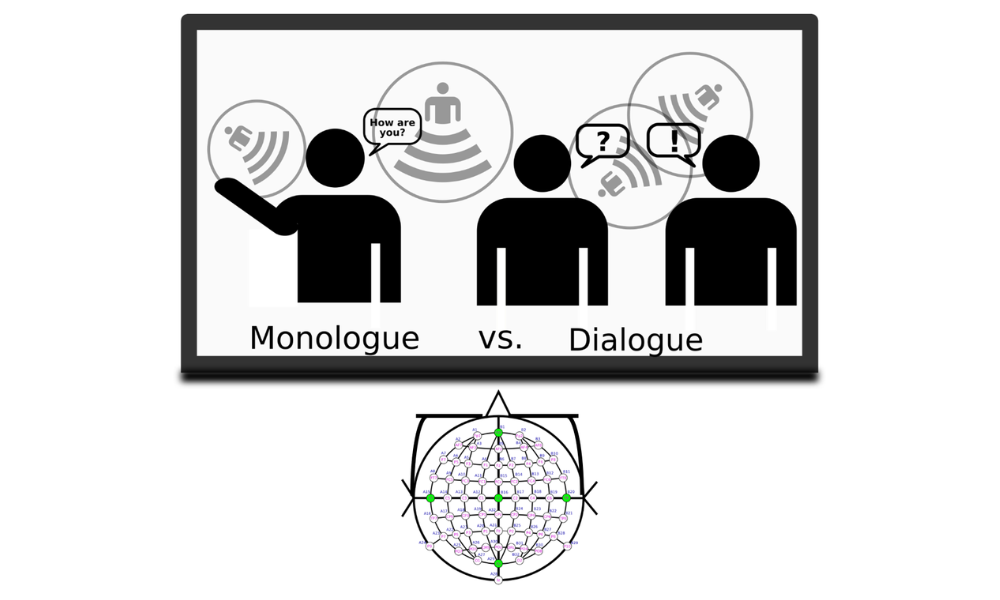
Bilert, S. P., Hjortkjær, J., Alickovic, E., Shiell, M. M., Rotger-Griful, S., Zaar, J. (2021). Neural speech processing during selective listening in an audio-visual monologue vs. dialogue paradigm [Poster]. ARO 2021.

Mesiano, P., Zaar, J., Bramslw, L., Relaño-Iborra, H., & Dau, T. (2023). The role of average fundamental frequency difference on the intelligibility of Real-Life competing sentences. Journal of Speech, Language, and Hearing Research, 66(7), 2521–2534. https://doi.org/10.1044/2023_jslhr-22-00219
Zaar, J., Simonsen, L. B., Behrens, T., Dau, T., Laugesen, S. (2020). Investigating the relationship between spectro-temporal modulation detection, aided speech perception, and directional noise reduction preference in hearing-impaired listeners [Conference Proceedings]. the International Symposium on Auditory and Audiological Research.
Mesiano, P., Zaar, J., Bramsløw, L., Pontoppidan, N. H., Dau, T. (2020). Assessing the impact of fundamental frequency on speech intelligibility in competing-talker scenarios [Conference Proceedings]. the International Symposium on Auditory and Audiological Research.
Zaar, J., Simonsen, L. B., Behrens, T., Dau, T., Laugesen, S. (2020). Predicting the Utility of Hearing-Aid Noise Reduction Based on Spectro-Temporal Modulation Detection [Poster]. ARO 43rd Annual MidWinter Meeting.
Regev, J., Mesiano, P. A., Zaar, J., Dau, T. (2020). Chracterizing Comodulation Masking Release in Hearing-Impaired Listeners [Poster]. ARO 43rd Annual MidWinter Meeting.
Mesiano, P. A., Zaar, J., Bramsløw, L., Iborra, H. R., Pontoppidan, N. H., Dau, T. (2020). The role of fundamental frequency in competing-talker scenarios[Poster]. ARO 43rd Annual MidWinter Meeting.
Zaar, J., Simonsen, L. B., Dau, T., & Laugesen, S. (2023). Toward a clinically viable spectro-temporal modulation test for predicting supra-threshold speech reception in hearing-impaired listeners. Hearing Research, 427. https://doi.org/10.1016/j.heares.2022.108650
Zaar, J., & Carney, L. H. (2022). Predicting speech intelligibility in hearing-impaired listeners using a physiologically inspired auditory model. Hearing Research, 426, 108553. https://doi.org/10.1016/j.heares.2022.108553
Zaar, J., & Carney, L. H. (2022a). Predicting speech intelligibility across acoustic conditions and hearing status using a physiologically inspired auditory model. Zenodo (CERN European Organization for Nuclear Research). https://doi.org/10.5281/zenodo.6576879
Regev, J., Zaar, J., Iborra, H. R., Dau, T. (2022). Amplitude modulation frequency selectivity in young and older listeners with and without hearing impairment [Conference poster]. CHSCOM.
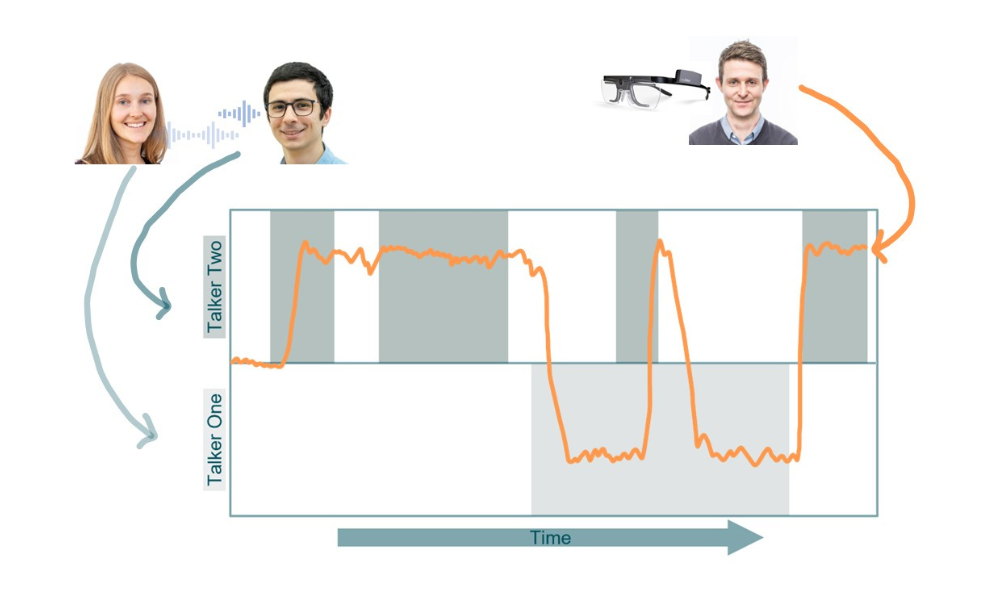
Rotger-Griful, S., Shiell, M. M., Skoglund, M. A., Keidser, G., Zaar, J. (2022). Eye-Gaze Behaviour of Hearing-Impaired Listeners in Conversational Turn-Taking [Conference poster]. IHCON.
Regev, J., Zaar, J., Iborra, H. R., Dau, T. (2022). Effects of age and hearing impairment on amplitude modulation frequency selectivity [Conference poster]. ARO.
Lopez, R. S., Zaar, J., Laugesen, S. (2022). Multi-Dimensional Evaluation of User-Op-erated Audible Contrast Threshold (UACT) Tests by a Diverse Group of Participants [Conference poster]. IHCON.
Laugesen, S., Lopez, R. S., Simonsen, L. B., Ihly, P., Jürgens, T., Zaar, J. (2022). Introducing the Audible Contrast Thresh-old Test – a Clinically Viable Measure of Spectro-Temporal Modulation Sensitivity [Conference poster]. IHCON.
Jürgens, T., Ihly, P., Tchorz, J., Santurette, S., Zaar, J., Laugesen, S., Jones, G., Behrens, T. (2022). Comparing Speech Intelligibility Improve-ments in Noise with Technical SNR-Improvements of Hearing Aids in a Complex Listening Scenario [Conference poster]. IHCON.
Iborra, H. R., Zaar, J., Dau, T. (2022).Predicting aided and unaided speech intelligibility of hearing-impaired listeners using an auditory model [Conference poster]. ARO.
Ihly, P., Santurette, S., Laugesen, S., Zaar, J., Jones, G., Behrens, T., Tchorz, J., Jürgens, T. (2022).Adaptive Noise Reduction Preferences of Bilateral Hearing Aid Users in Different Daily-Life Acoustic Situations [Conference poster].IHCON.
Carta, S., Liberto, G. D., Valdes, A. L., Aličković, E., Zaar, J. (2022). Investigating the impact of hearing-aid processing strategies on hierarchical speech processing [Conference poster]. 6th International Conference on Cognitive Hearing Science for Communication(CHSCOM).

Projects

Advancing understanding and treatment of hearing difficulties in a currently underserved population (UPTREAT)
Current
Advancing understanding and treatment of hearing difficulties in a currently underserved population (UPTREAT).
3008,1037,4341,18378

Personalised Audiology

A substantial proportion of people seeking help from hearing care professionals due to hearing diffi...
A substantial proportion of people seeking help from hearing care professionals due to hearing difficulties…
Audible contrast research to enable efficient clinical testing for speech-in-noise abilities
CURRENT
Audible contrast research to enable efficient clinical testing for hearing-in-noise abilities
4341

Personalised Audiology

For about a century, hearing loss has been diagnosed based on the pure-tone audiogram, which describ...
For about a century, hearing loss has been diagnosed based on the pure-tone audiogram, which…
Attention decoding in real-world listening
FINALIZED
Attention decoding in real-world listening
4341,4415

Intent Decoding, Cognitive Hearing Science, Personalised Audiology

When attending speech, a listener’s brain activity tracks the characteristics of the speech signal...
When attending speech, a listener’s brain activity tracks the characteristics of the speech signal. The…
Eye Gaze Behavior when Following Conversations
FINALIZED
Eye Gaze Behavior when Following Conversations
4403,4415

Intent Decoding, Cognitive Hearing Science, Personalised Audiology

This work was inspired by the observation that most research on eye gaze and speech has focused on b...
This work was inspired by the observation that most research on eye gaze and speech…
Towards personalized pitch-aware hearing-aid processing 
CURRENT
Towards personalized pitch-aware hearing-aid processing 
4412,4341

Intent Decoding, Personalised Audiology

Understanding speech in the presence of interfering sound sources can be difficult for listeners aff...
Understanding speech in the presence of interfering sound sources can be difficult for listeners affected…
Neural Correlates of Speech Intelligibility 
CURRENT
Neural Correlates of Speech Intelligibility 
7795,4341,4335

Cognitive Hearing Science, Personalised Audiology

Speech intelligibility describes how well listeners can understand and repeat back speech items, usu...
Speech intelligibility describes how well listeners can understand and repeat back speech items, usually short…
Advancing understanding and treatment of hearing difficulties in a currently underserved population (UPTREAT)
Current
Advancing understanding and treatment of hearing difficulties in a currently underserved population (UPTREAT).
3008,1037,4341,18378

Personalised Audiology

A substantial proportion of people seeking help from hearing care professionals due to hearing diffi...
A substantial proportion of people seeking help from hearing care professionals due to hearing difficulties…
Mapping the curve of communication breakdowns during conversations in noise
Current
Mapping the curve of communication breakdowns during conversations in noise
4415,6493,18220,18222

Personalised Audiology

This project aims to determine the curve of communication breakdowns for hearing aid wearers and the...
This project aims to determine the curve of communication breakdowns for hearing aid wearers and…
Forming and Following Auditory Objects
Current
Forming and Following Auditory Objects
18176,1037,18178

Cognitive Hearing Science

This project investigates how the brain represents these auditory objects and how this process is af...
This project investigates how the brain represents these auditory objects and how this process is…
Advancing understanding and treatment of hearing difficulties in a currently underserved population (UPTREAT)
Current
Advancing understanding and treatment of hearing difficulties in a currently underserved population (UPTREAT).
3008,1037,4341,18378

Personalised Audiology

A substantial proportion of people seeking help from hearing care professionals due to hearing diffi...
A substantial proportion of people seeking help from hearing care professionals due to hearing difficulties…
Audible contrast research to enable efficient clinical testing for speech-in-noise abilities
CURRENT
Audible contrast research to enable efficient clinical testing for hearing-in-noise abilities
4341

Personalised Audiology

For about a century, hearing loss has been diagnosed based on the pure-tone audiogram, which describ...
For about a century, hearing loss has been diagnosed based on the pure-tone audiogram, which…
Attention decoding in real-world listening
FINALIZED
Attention decoding in real-world listening
4341,4415

Intent Decoding, Cognitive Hearing Science, Personalised Audiology

When attending speech, a listener’s brain activity tracks the characteristics of the speech signal...
When attending speech, a listener’s brain activity tracks the characteristics of the speech signal. The…
Eye Gaze Behavior when Following Conversations
FINALIZED
Eye Gaze Behavior when Following Conversations
4403,4415

Intent Decoding, Cognitive Hearing Science, Personalised Audiology

This work was inspired by the observation that most research on eye gaze and speech has focused on b...
This work was inspired by the observation that most research on eye gaze and speech…
Towards personalized pitch-aware hearing-aid processing 
CURRENT
Towards personalized pitch-aware hearing-aid processing 
4412,4341

Intent Decoding, Personalised Audiology

Understanding speech in the presence of interfering sound sources can be difficult for listeners aff...
Understanding speech in the presence of interfering sound sources can be difficult for listeners affected…
Neural Correlates of Speech Intelligibility 
CURRENT
Neural Correlates of Speech Intelligibility 
7795,4341,4335

Cognitive Hearing Science, Personalised Audiology

Speech intelligibility describes how well listeners can understand and repeat back speech items, usu...
Speech intelligibility describes how well listeners can understand and repeat back speech items, usually short…

People are our most
valuable source of
insights

Facebook

Instagram

LinkedIn

Youtube

  • Eriksholm Research Centre
  • Rørtangvej 20
  • DK-3070 Snekkersten
  • Denmark
We are a part of Oticon, a world leader in hearing care. We share the same philosophy that people are our main source of insights
Bliv testperson
  • +45 48 29 89 00
  • mail@eriksholm.com
  • Cookie policy
  • Disclaimer

© 2025 Eriksholm – Designed by Aveo web&marketing

Manage consent to cookies
We use cookies to optimize our website and our service.
Functional Always active
The technical storage or access is strictly necessary for the legitimate purpose of enabling the use of a specific service expressly requested by the subscriber or user, or solely for the purpose of transmitting a communication via an electronic communication network.
Preferences
The technical storage or access is necessary for the legitimate purpose of storing preferences that are not requested by the subscriber or user.
Statistics
The technical storage or access used exclusively for statistical purposes. The technical storage or access that is used exclusively for anonymous statistical purposes. Without a subpoena, voluntary compliance on the part of your Internet Service Provider, or additional records from a third party, information stored or retrieved for this purpose alone cannot usually be used to identify you.
Marketing
The technical storage or access is necessary to create user profiles for the purpose of sending advertisements or to track the user on a website or across multiple websites for similar marketing purposes.
  • Manage options
  • Manage services
  • Manage {vendor_count} vendors
  • Read more about these purposes
Preferences
  • {title}
  • {title}
  • {title}